Why It Matters More Than Ever
Introduction
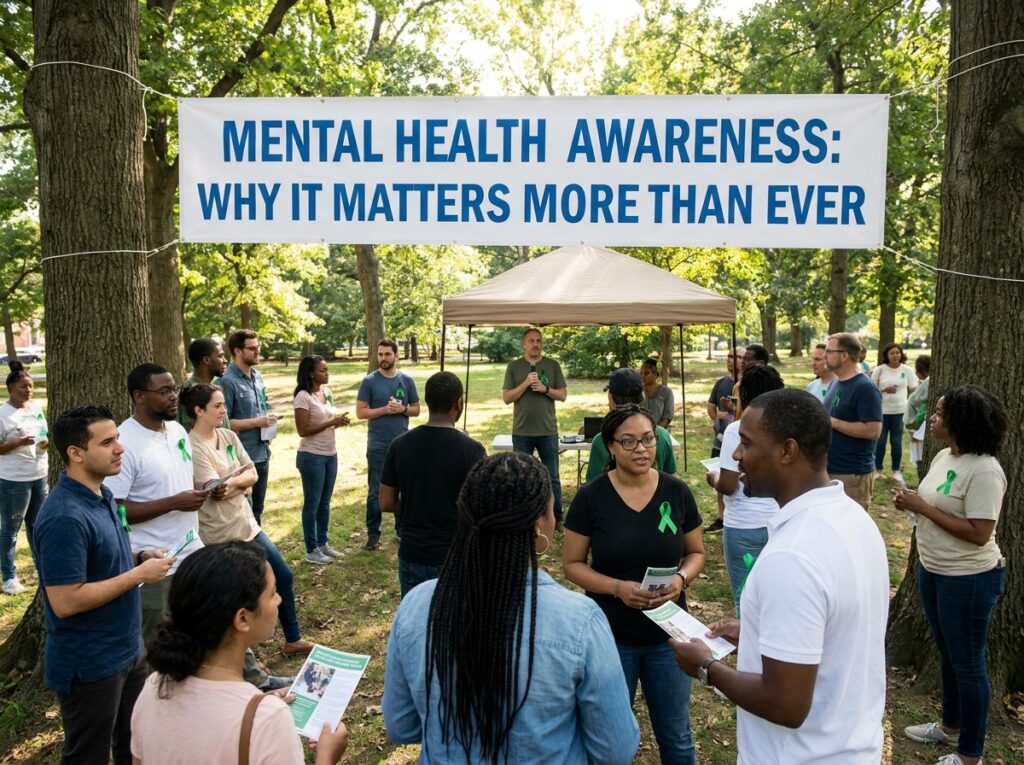
Mental health is an essential part of our overall well-being, yet it is often overlooked or misunderstood. In today’s fast-paced world, people face increasing levels of stress, anxiety, depression, and emotional challenges. This makes mental health awareness more important than ever. By understanding mental health, recognizing warning signs, and encouraging open conversations, we can create healthier communities and improve the quality of life for millions of people.
What Is Mental Health?
Mental health refers to a person’s emotional, psychological, and social well-being. It influences how we think, feel, and behave in our daily lives. It also affects how we handle stress, make decisions, build relationships, and cope with challenges.
Good mental health does not mean feeling happy all the time. Instead, it means having the ability to manage emotions, recover from setbacks, and maintain a balanced outlook on life.
Why Mental Health Awareness Is Important

Breaking the Stigma
One of the biggest barriers to mental health support is stigma. Many people hesitate to seek help because they fear judgment or discrimination. Mental health awareness helps challenge these misconceptions and encourages individuals to speak openly about their experiences.
Encouraging Early Intervention
Awareness allows people to recognize the early signs of mental health conditions. Early intervention can significantly improve outcomes and prevent issues from becoming more severe.
Promoting Supportive Communities
When people understand mental health, they are more likely to support friends, family members, colleagues, and classmates who may be struggling. This creates a culture of empathy, compassion, and understanding.
Common Mental Health Challenges
Anxiety Disorders
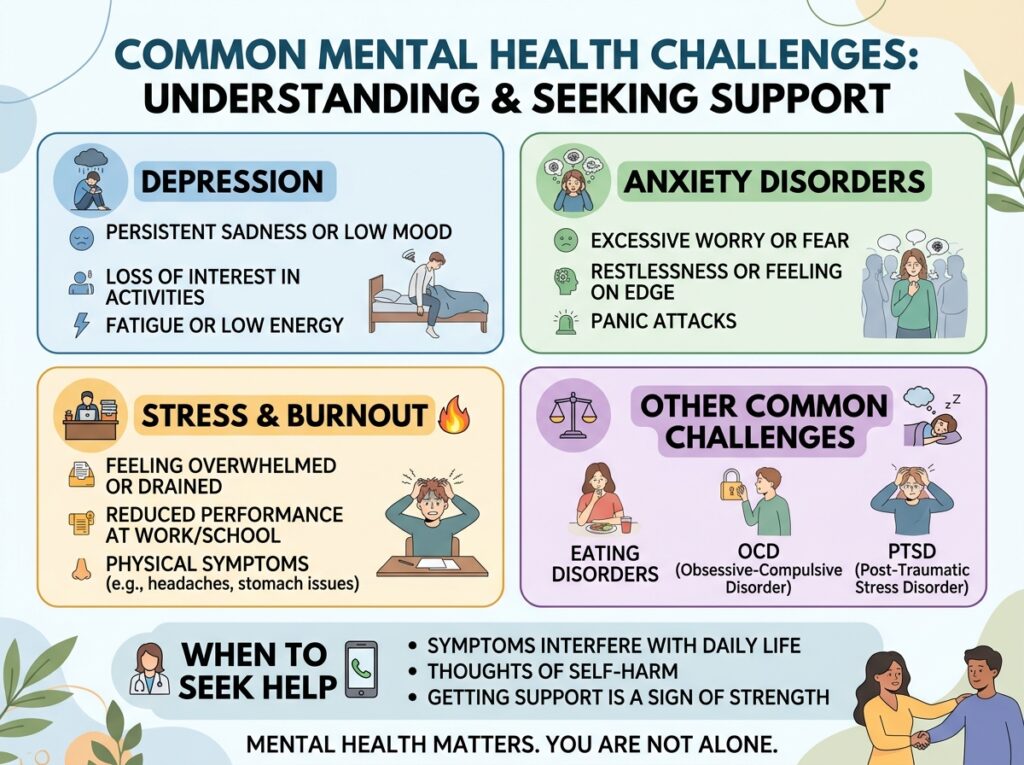
Anxiety is more than occasional worry or nervousness. Anxiety disorders can cause persistent fear, excessive worry, and physical symptoms that interfere with daily life.
Depression
Depression is a serious mental health condition that affects mood, energy levels, motivation, and overall well-being. It can impact a person’s ability to work, study, and maintain relationships.
Stress and Burnout
Modern lifestyles often expose people to high levels of stress. Without proper management, chronic stress can lead to burnout, emotional exhaustion, and mental health difficulties.
Social Isolation
Loneliness and social isolation can negatively affect mental health. Meaningful social connections play a vital role in emotional well-being.
Signs That Someone May Need Support
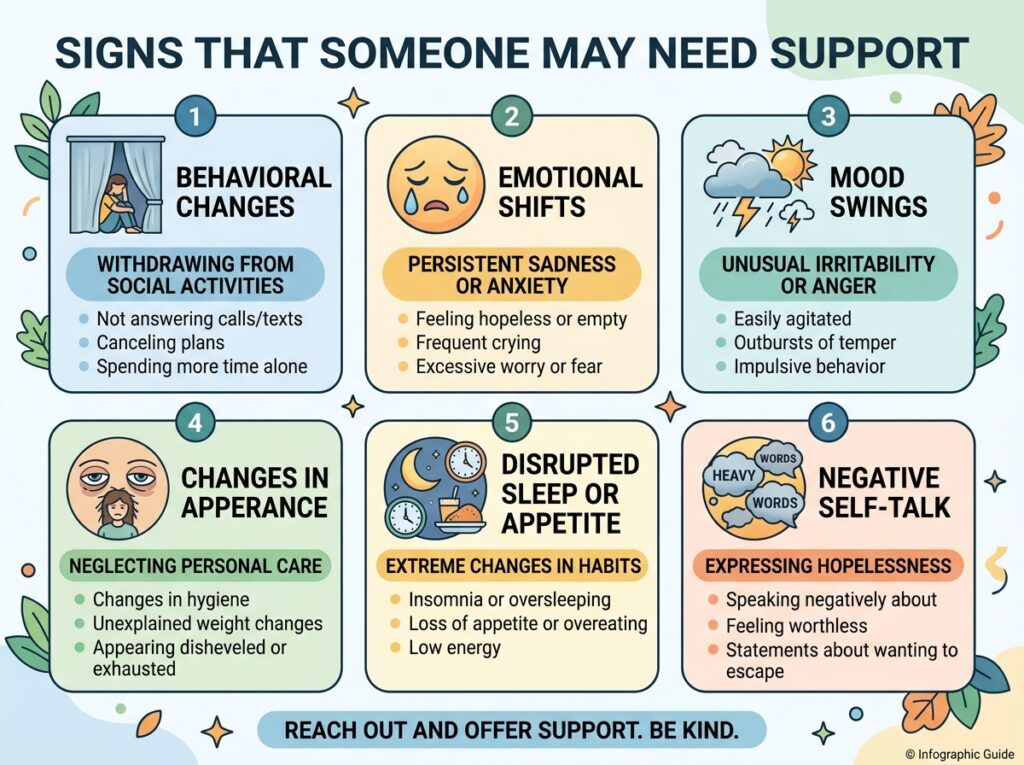
Recognizing warning signs can help individuals seek assistance before their condition worsens.
Some common signs include:
- Persistent sadness or low mood
- Excessive worry or anxiety
- Changes in sleeping patterns
- Loss of interest in daily activities
- Difficulty concentrating
- Irritability or mood swings
- Withdrawal from friends and family
- Feelings of hopelessness
It is important to remember that experiencing one or two of these symptoms occasionally does not necessarily indicate a mental health disorder. However, persistent symptoms should not be ignored.
Practical Ways to Improve Mental Health
Prioritize Self-Care
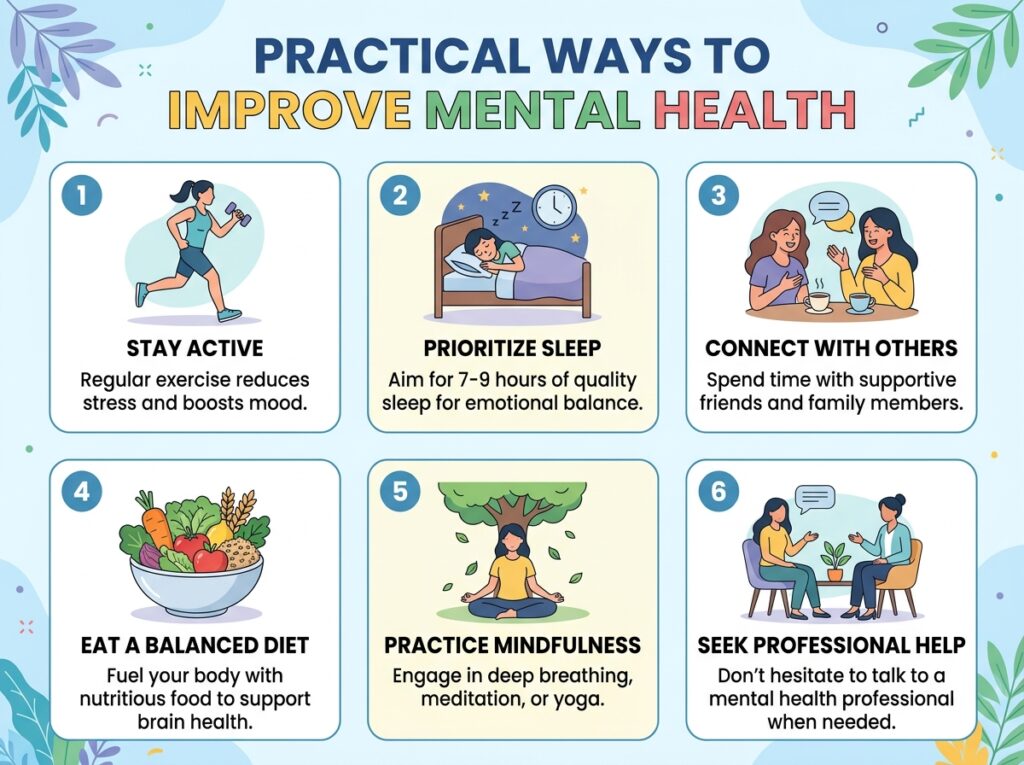
Taking care of physical and emotional needs is essential. This includes getting enough sleep, eating nutritious foods, staying hydrated, and engaging in regular physical activity.
Stay Connected
Strong relationships provide emotional support during difficult times. Spending time with trusted friends and family members can help reduce feelings of loneliness and stress.
Manage Stress Effectively
Practicing relaxation techniques such as deep breathing, meditation, journaling, or mindfulness can improve emotional resilience and reduce stress levels.
Set Healthy Boundaries
Learning to say no, managing workloads, and protecting personal time can prevent burnout and support long-term mental well-being.
Seek Professional Help When Needed
Mental health professionals can provide guidance, therapy, and treatment options tailored to individual needs. Seeking help is a sign of strength, not weakness.
The Role of Schools, Workplaces, and Communities
Schools
Educational institutions can support students by providing mental health education, counseling services, and safe environments where students feel comfortable discussing their concerns.
Workplaces
Employers can promote mental wellness by encouraging work-life balance, offering employee support programs, and fostering a positive workplace culture.
Communities
Community organizations, support groups, and awareness campaigns help educate the public and provide valuable resources for those in need.
How to Support Someone Struggling With Mental Health
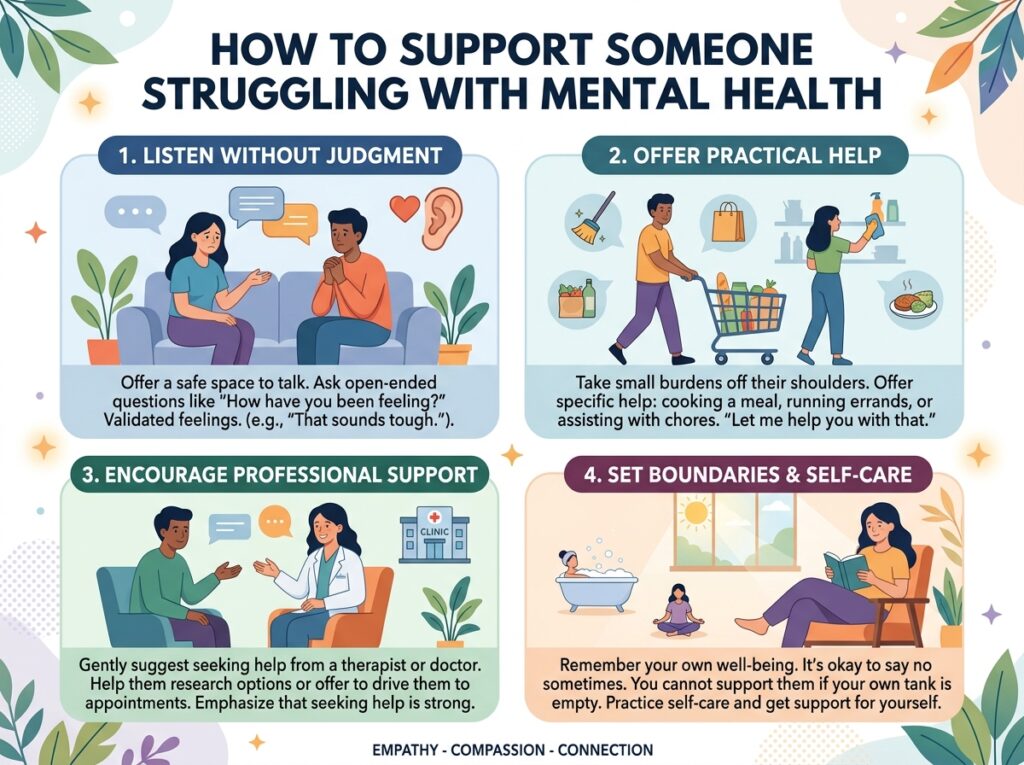
If someone you know is experiencing mental health challenges:
- Listen with an open mind and without criticism
- Show empathy and understanding.
- Encourage professional support when appropriate.
- Respect their feelings and experiences.
- Stay patient and supportive throughout their journey.
Sometimes, simply being present and listening can make a significant difference in someone’s life.
Conclusion
Mental health awareness is not just about understanding mental illness—it is about promoting well-being, compassion, and support for everyone. By breaking stigma, encouraging open conversations, and providing access to resources, we can create a society where people feel empowered to seek help and prioritize their mental well-being. Every conversation, act of kindness, and effort to raise awareness contributes to a healthier and more supportive world for all.

Chloé is a creative content writer who writes engaging articles about word meanings and deep interpretations.