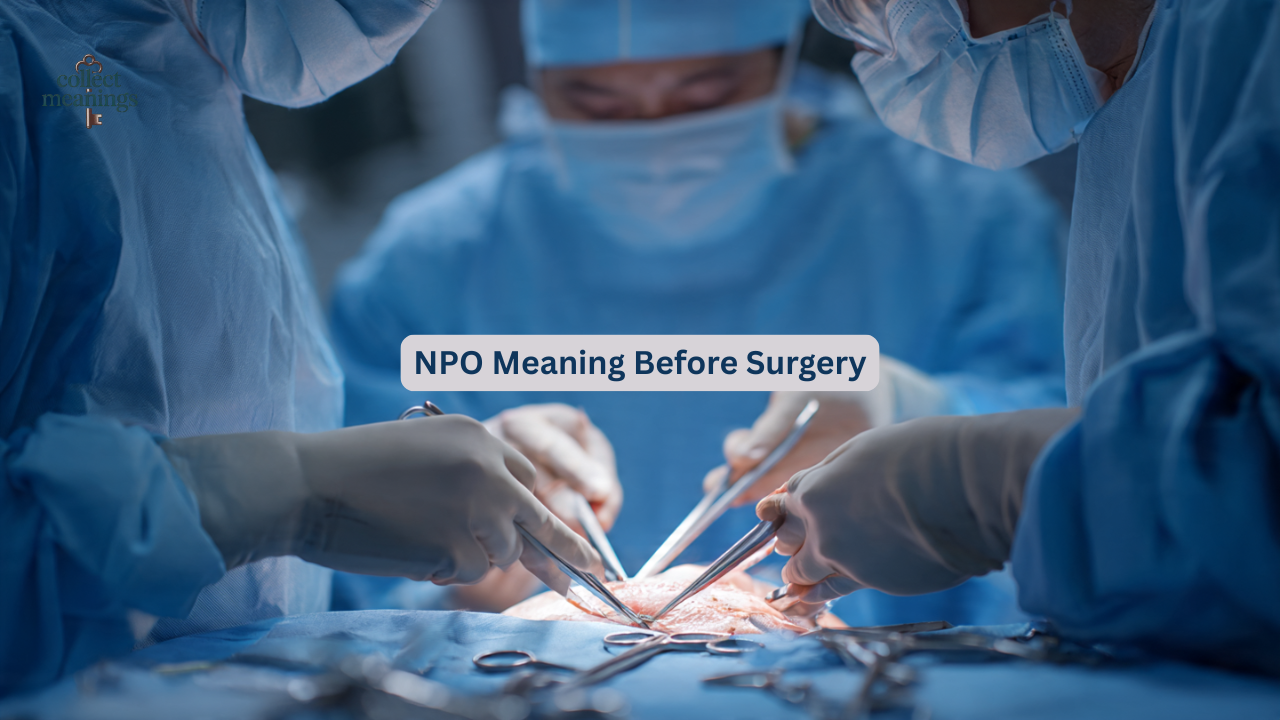
NPO Meaning refers to “Nothing by Mouth,” a medical instruction given to patients before surgery or certain medical procedures. It means the patient should not eat or drink anything for a specific time to prevent complications like choking or aspiration.
Doctors use this guideline to make sure the stomach is empty, which keeps the procedure safe. NPO is one of the most common and important safety steps in medical care.
NPO Meaning Al Genrator
NPO Means “Nothing by Mouth”
The term NPO comes from the Latin phrase “nil per os”, which means “nothing by mouth.” It is a medical order telling patients not to eat or drink before a surgery or procedure. This helps the body prepare safely for treatment.
NPO is a Safety Precaution
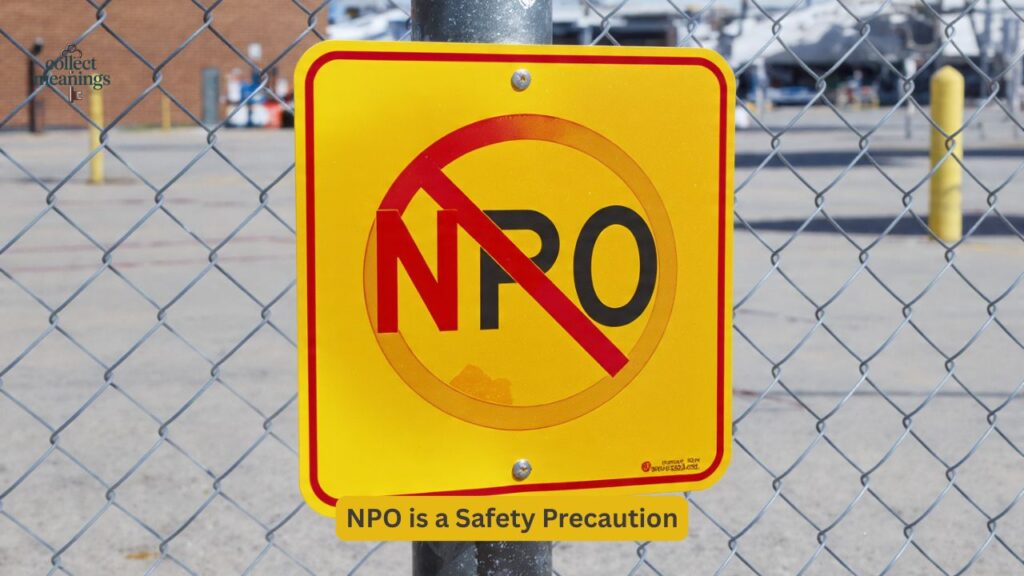
NPO is followed to protect patients from dangerous complications. If food or liquid is in the stomach, it may enter the lungs during anesthesia. This simple precaution keeps surgery safer.
Where Does NPO Come From?
The practice of NPO began when doctors realized that anesthesia could cause stomach contents to enter the lungs. Since then, it has become a standard patient safety rule worldwide.
Examples of NPO
Examples include not eating after midnight before surgery, avoiding snacks before scans, or stopping liquids a few hours before treatment. The exact timing depends on the procedure.
Who Uses NPO?

NPO is used in hospitals, surgery centers, and clinics. Doctors, nurses, and anesthesiologists all give these orders to prepare patients properly.
Why Do Doctors Order NPO Before Surgery or Medical Procedures?
Doctors order NPO to prevent vomiting, choking, and aspiration. An empty stomach lowers risks during anesthesia and ensures the surgery goes smoothly.
What Are the NPO Guidelines?
Most guidelines suggest no solid food for 6–8 hours before surgery and no clear liquids for 2–4 hours. However, instructions may change based on age and health condition.
How Long Can You Go NPO?
Typically, patients are asked to fast between 6 to 12 hours. Children, adults, and people with medical issues may have different time frames.
What Can NPO Patients Drink?
Before the cutoff time, clear liquids like water, apple juice, or black tea may be allowed. After the set time, nothing should be consumed.
Can You Drink Water While NPO?
Many patients are allowed to drink small sips of water up to 2 hours before surgery. Beyond that time, even water is restricted.
What Are the Risks of Not Following NPO Guidelines?
Ignoring NPO rules can cause vomiting, aspiration, pneumonia, or surgery delays. It puts both the patient’s safety and the procedure at risk.
What About Emergencies or If There Isn’t Enough Time to Follow NPO Guidelines?
In emergencies, doctors may still operate but take extra precautions. They use special methods to protect the lungs when the stomach is not empty.
The Importance of NPO in Medical Care
NPO plays a key role in protecting the airway and lungs. It lowers complications and ensures a safer experience during and after surgery.
Implementing NPO Orders in Clinical Practice
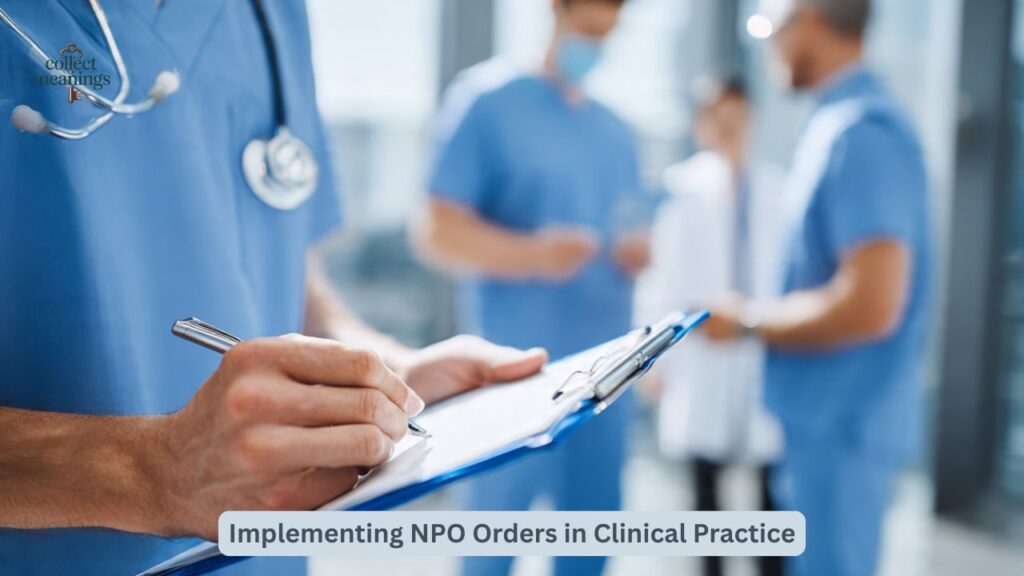
Healthcare providers must give clear instructions to patients. Nurses confirm that patients followed NPO rules before the procedure begins.
Challenges and Considerations with NPO Orders
Staying NPO can be difficult for children, elderly patients, or people with conditions like diabetes. Doctors must adapt the rule carefully.
NPO Orders and Specific Medical Procedures
Different procedures have different NPO rules. Surgeries and endoscopies require strict fasting, while minor tests may allow lighter restrictions.
15 Best Practices for Managing NPO Patients
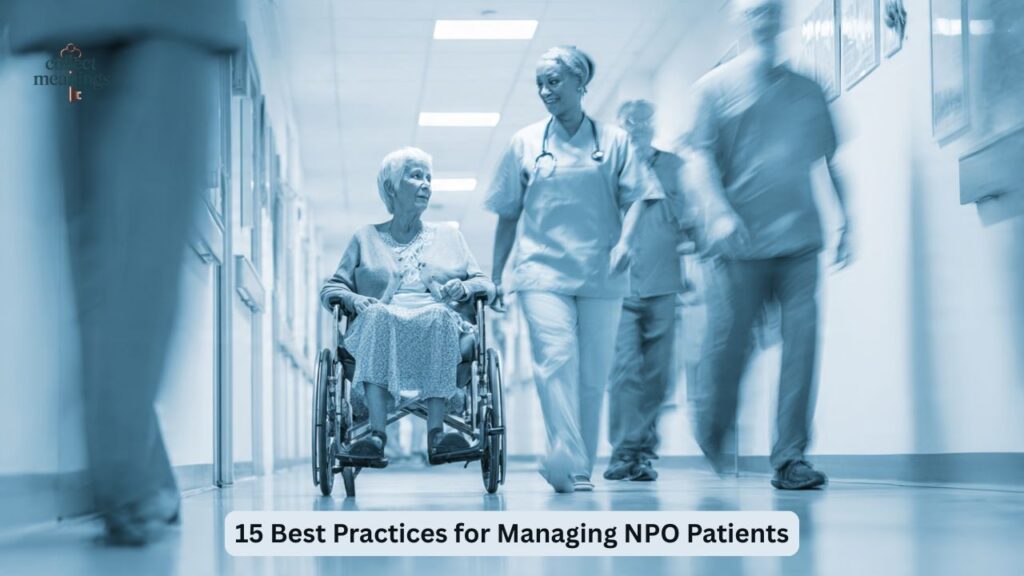
- Give patients clear and simple NPO instructions.
- Explain why NPO is important for their safety.
- Provide written reminders if needed.
- Allow clear liquids up to the safe cutoff time.
- Adjust NPO times for children and elderly patients.
- Monitor patients with diabetes or other conditions closely.
- Check if the patient has followed NPO before the procedure.
- Communicate any last-minute changes quickly.
- Offer emotional support, especially for children.
- Avoid scheduling long waits after NPO orders.
- Reconfirm NPO status on the day of surgery.
- Coordinate with the anesthesia team for safety.
- Record NPO compliance in medical notes.
- Educate family members or caregivers about NPO.
- Be flexible in emergencies and follow safe alternatives.
What Is a Nonprofit Organization (NPO)?
A Nonprofit Organization (NPO) is an institution that works for social, educational, charitable, or community purposes instead of making profits. The money they raise is reinvested in their mission rather than given to owners or shareholders.
Understanding Nonprofit Organizations (NPOs)
NPOs are built to serve people and communities. They often focus on causes like education, health, environment, or poverty. Their main goal is impact, not income.
Operating Rules for NPO Status
To qualify as an NPO, organizations must follow legal guidelines such as transparency, no personal profit distribution, and using funds only for their stated purpose. These rules ensure trust and accountability.
What Is the Difference Between an NPO and a Not-for-Profit Organization?
While both terms sound similar, there is a slight difference. NPOs are often larger, structured, and registered organizations, while not-for-profits can be smaller community groups or associations.
What Is the Difference Between an NPO and NGO?
NPO stands for any nonprofit organization, while NGO (Non-Governmental Organization) usually refers to groups working on social or global issues. All NGOs are NPOs, but not all NPOs are NGOs.
How Does an Organization Qualify for NPO Status?
An organization must register under the law, create a clear mission statement, and show that its funds are used only for public benefit. Legal approval is required to gain nonprofit status.
What Are Some Common Use Cases for NPOs?
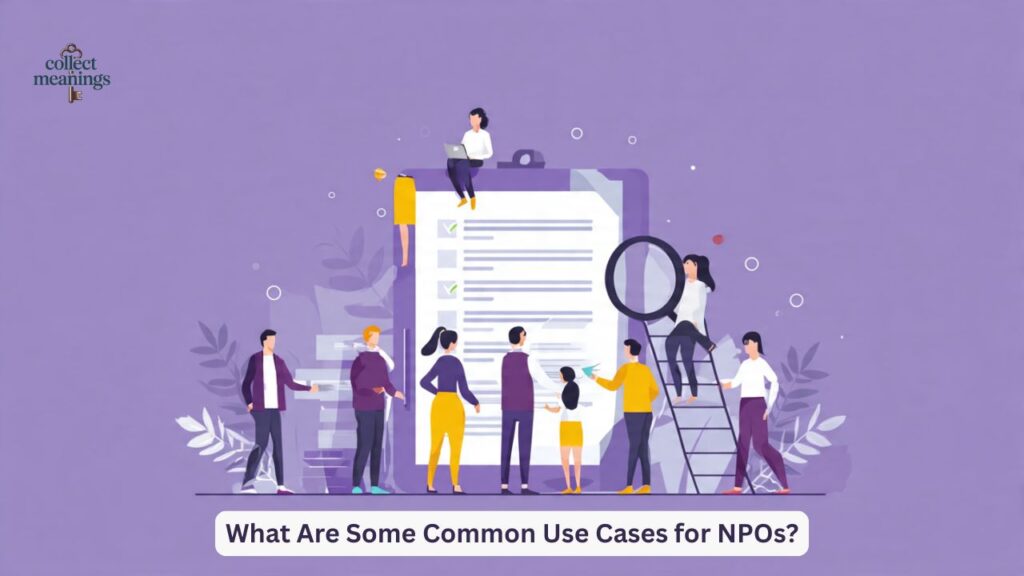
NPOs run schools, hospitals, charities, religious institutions, and community programs. They may also manage awareness campaigns, research projects, or disaster relief efforts.
What Is the Benefit of NPOs to Society?
NPOs provide services that governments and businesses may not cover. They reduce poverty, promote education, protect health, and strengthen communities by working for the public good.
What Are the Challenges That NPOs Face?
NPOs often struggle with limited funding, lack of volunteers, and legal restrictions. They must also build trust and show transparency to keep donors and supporters engaged.
What does NPO mean in medical?
In medical terms, NPO means “Nothing by Mouth”. It is an order given to patients to avoid eating or drinking before surgery or certain medical tests. This keeps the stomach empty and reduces the risk of complications during treatment.
What is NPO full form?
The full form of NPO is Nil Per Os, a Latin phrase that translates to “nothing by mouth.” It is widely used in hospitals and clinics as a safety guideline.
What does NPO stand for in business?
In business, NPO stands for Nonprofit Organization. These are organizations that work for social, charitable, or community causes instead of making profits. All funds are reinvested to support their mission.
Why do patients go on NPO?
Patients are placed on NPO to make sure their stomachs are empty before anesthesia or surgery. This prevents food or liquid from entering the lungs, which could cause choking or serious complications.
Frequently Asked Questions
What is NPO meaning in medical?
NPO in medical means “Nothing by Mouth,” a guideline for patients to avoid food and drinks before surgery.
What does NPO full form stand for?
The full form of NPO is Nil Per Os, which means “nothing by mouth” in Latin.
What is NPO meaning before surgery?
NPO before surgery means the patient should not eat or drink for a set time to prevent complications.
What is NPO meaning in hospital?
In hospitals, NPO means patients must avoid food and drinks before certain treatments or procedures.
What is NPO meaning in nursing?
In nursing, NPO means no oral intake of food or liquids until further instructions from the doctor.
What is NPO status in medical terms?
NPO status means a patient is under fasting orders and cannot consume anything by mouth.
What is NPO meaning in healthcare?
In healthcare, NPO is a safety rule to protect patients during anesthesia or surgery.
What is NPO meaning for patients?
For patients, NPO means they must not eat or drink for a specific number of hours before treatment.
What is NPO meaning in simple words?
NPO simply means nothing to eat or drink for safety before medical care.
Conclusion
Discover the true meaning of NPO in medical and business terms. Learn why patients go on NPO before surgery and what NPO means as a nonprofit organization.

Chloé is a creative content writer who writes engaging articles about word meanings and deep interpretations.